Men's Shoes: Three or Four Pairs That Cover Everything
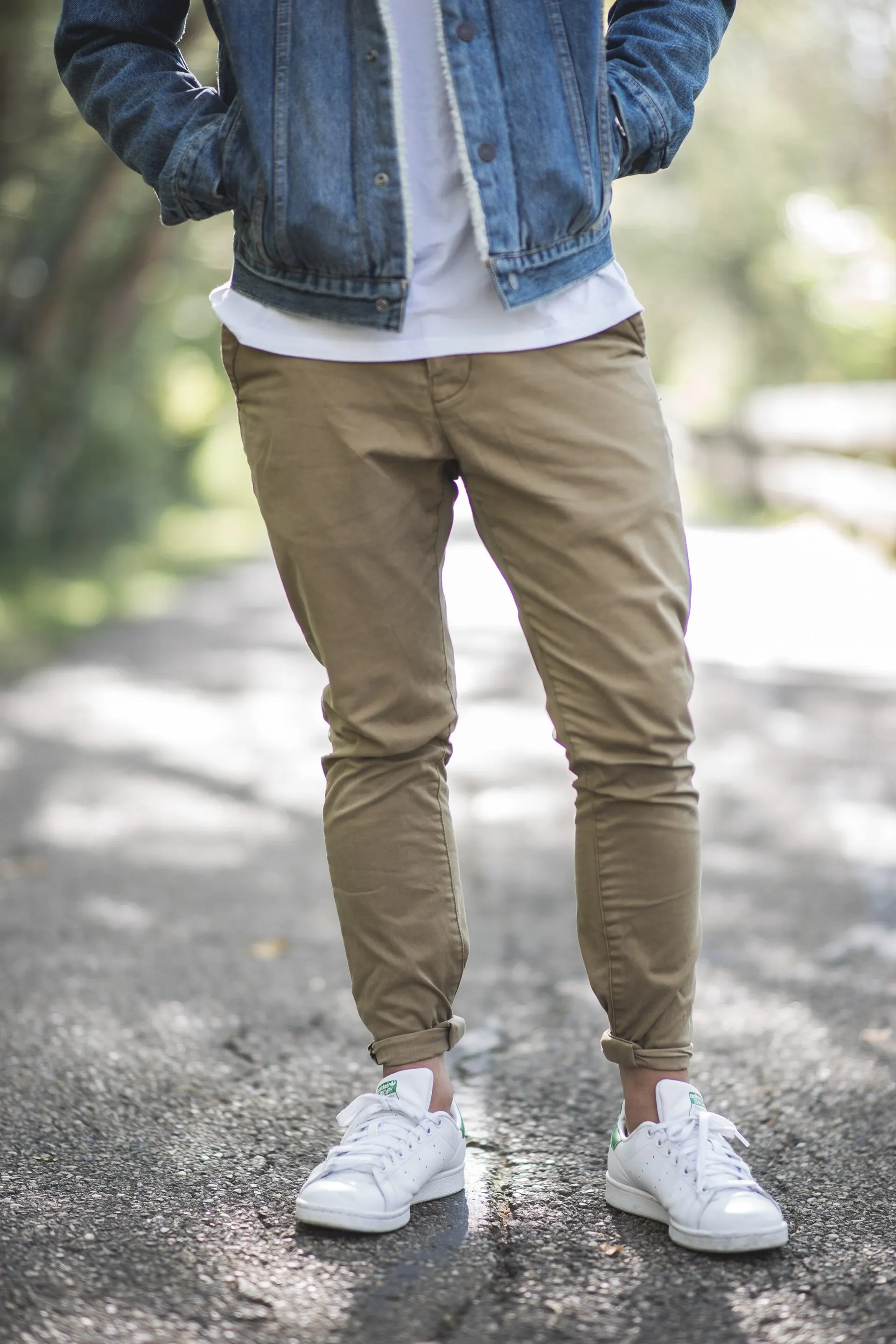
Plain clothes, right shoe, and suddenly the outfit looks considered. That’s the cheapest style upgrade there is.
You don’t need a big shoe wardrobe. Three or four pairs that cover different trousers, weather and levels of formality will do, as long as they don’t pull your outfits in three directions. Start with what you actually wear. A closet of tapered jeans needs different shoes from one full of wide wool trousers, and once the trouser line is clear, the shoes pick themselves.
Start at the hem
The hem is where trouser meets shoe. Too low, and even an expensive shoe looks tired. Too narrow over a chunky boot, and the leg looks pinched.
Tapered trousers usually suit a low or mid-profile sneaker, a slim loafer, or a boot with a clean ankle. Straight legs can carry a fuller runner or a rounder toe. Wide trousers need enough shoe underneath: a substantial sole, a broad loafer, or a boot with some height at the front.
One break, max. A soft fold looks relaxed; a stack of folds hides the shoe and shortens the leg. Cropped trousers can look sharp, but then the shoe and sock have to look deliberate.
The sneaker
The most useful one isn’t the loudest or most technical. A low-profile leather court shoe, a slim suede runner and a neutral mesh trainer cover most casual outfits between them. The adidas Samba OG is a common low, slim pick that usually runs $100–$140 depending on colorway, per adidas.com, Oct 2026.
Leather court shoes go with denim, chinos and relaxed tailoring. White if your wardrobe runs light and clean; black, brown or gray if you want the shoe to disappear into darker outfits.
Suede runners soften straight trousers and add texture to a plain tee or knit. Earth tones and muted blue repeat easily, and with care they age better than a high-contrast fashion color.
Technical trainers are the contrast piece. Mesh, sculpted soles and dark panels look best when the clothes stay simple. Branded jacket plus patterned trousers plus a busy shoe is too much at once.
The loafer
Loafers sit between a sneaker and a formal shoe, which is why they’ve moved so easily into everyday wardrobes. A chunky penny loafer handles wide trousers and cropped socks. A slimmer leather one looks cleaner with tailoring, knitwear and a soft coat.
Fit matters more than with a lace-up. The throat should hold the top of your foot without cutting in, and the heel should stay put when you walk. If it slips because it’s too long, a tongue pad won’t fix the wrong size.
Suede is the easiest modern loafer material and reads less formal than polished leather. Dark brown, chocolate and black are the most useful colors. A soft unlined pair can work sockless, but use a shoe tree and let it dry between wears.
The boot
It should solve a real problem: rain, cold, rough pavement, or an outfit that needs a heavier base. Chelsea boots are the cleanest choice under tailored trousers. A lace-up or hiking-style boot gives casual outfits more grip and presence. For a factory benchmark, Allen Edmonds’ Recrafting service (new outsole, welt, cork and heel on its own Goodyear-welted shoes) usually runs $150–$175 and takes about 4–6 weeks, per allenedmonds.com, Oct 2026.
Look at the sole before the brand. A thin leather sole is elegant and less useful in the wet. A rubber lug sole is practical and visually heavier. If you plan to repair the boot, a stitched sole is worth paying for; a cemented sole can still be sensible when the price and use match.
The shaft shouldn’t rub your ankle. Walk on a slope, not just the flat store floor, and make sure the heel doesn’t lift much. A boot can loosen across the instep. It won’t get longer.
Three colors
- Neutral: brown, taupe or gray suede for loafers and boots.
- Dark: black leather, dark brown or navy for cleaner evening and winter outfits.
- Light: off-white or cream for sneakers, especially with denim and pale knits.
Repeat one shoe color somewhere else in the outfit, even if it’s just a belt, watch strap or sock. A strong color doesn’t need an exact match, but it should feel connected to the rest.
Buy in this order
Wear casual clothes most days? Start with an easy everyday sneaker. Add a weather-ready boot if your climate or commute calls for it. Then a loafer for times when a sneaker’s too casual and a dress shoe’s overkill.
Try every pair with your usual socks and trouser hems. Walk at least ten minutes indoors and buy for the bigger foot. A little extra length is easier to live with than pressure across the toes or a heel that never settles.