The Shoe Shopping Checklist: Fit, Style, Then Value
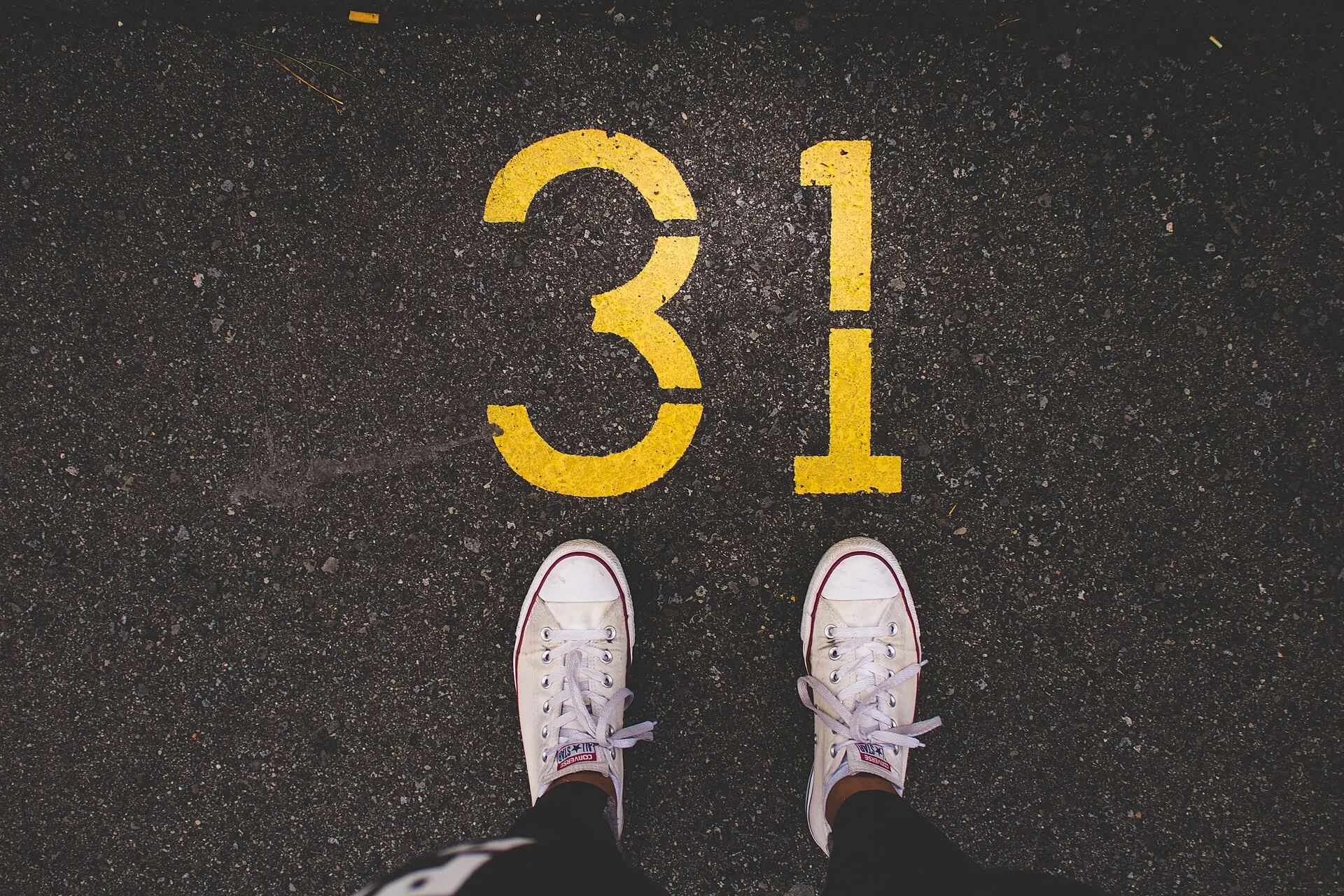
Two laps around the store carpet. That’s how most shoes get tested, and it’s not enough for what shoes cost.
A good pair has to fit your foot, work with clothes you already own, and earn its keep past the first photo. Three tests. Fit: can you wear it? Style: will you? Value: does it deserve the space and the money? Fail one and you’ve bought a compromise.
Fit: the whole foot
Shop late in the day, when feet are biggest. Wear the socks you’ll actually use, know both feet’s measurements, and fit the bigger one.
About a thumb’s width between longest toe and the front, yes. But length alone won’t do it. Check that:
- The widest part of your foot sits at the widest part of the shoe.
- The heel stays put as you walk, with little or no lift.
- The top doesn’t press on the instep or toes.
- The arch support feels supportive, not intrusive.
- The shoe flexes where your foot flexes, not mid-arch.
Walk on a hard floor, and a slight slope if the store allows. A shoe can feel fine seated and reveal a slipping heel or cramped toe box ten minutes later. If you have to crank the laces to stop the heel lifting, the last is probably wrong, not the lacing.
Style: the five-outfit test
Don’t judge against what you happen to be wearing in the store. Picture five outfits already in your closet. If the new pair works with fewer than three, it’ll sit unused or push you into buying clothes around it.
Trousers first. Low-profile shoes suit tapered or cropped hems; fuller shoes balance wide legs; substantial boots need a trouser opening wide enough to sit over the shaft. Then color and material. Smooth leather cleans easily; suede adds texture but needs more care; mesh is light and technical but shows dirt fast.
The most useful purchase has one clear job. A clean neutral sneaker covers daily outfits (an adidas Samba OG in black or white, usually $100–$140 depending on colorway, per adidas.com, Oct 2026, is a common pick for exactly that). A weather-ready boot covers the wet months. A loafer or low heel covers the middle ground. A pair that tries to be everything usually looks like nothing in particular.
Value: past the price tag
Price per wear beats sticker price. A cheap shoe worn twice is expensive. A well-made shoe worn three times a week for three years can be the better deal even if it costs more at the register.
Be honest about how often you’ll wear it and what you need. Walking several miles a day? Put more budget into fit, cushioning and repairability. Need an occasional dress shoe? A simpler cemented construction can be perfectly sensible.
Look for the things that affect lifespan:
- A stitched or repairable sole, if you want to keep the pair.
- A firm heel counter that holds the foot and resists collapse.
- A midsole that springs back after you press it.
- Leather that flexes without deep cracks; synthetic uppers that don’t feel brittle or paper-thin.
- Smooth lining at heel and toes, where rubbing starts.
Weight isn’t quality. A light shoe can be strong and a heavy one badly made. Look at how the parts meet, whether edges are finished, and whether it springs back when you bend it.
In the store, in order
- Try both shoes, not just the display one.
- Measure and fit the bigger foot.
- Walk ten minutes on a hard surface.
- Check heel, toe, instep and the widest part of the foot.
- Match it to five outfits you own.
- Ask about material, sole construction and repair options.
- Weigh the price against how often you’ll really wear it.
Passed? Photograph the label and note the size and last. Buying the same model in another color gets much easier.
The right pair isn’t the most exciting one on the wall. It’s the one you put on without thinking, wear all day, and want to wear again tomorrow.