Why Shoe Sizes Differ Between Brands
Ordering a shoe in your usual size from a new brand is a coin flip. The number on the box looks like a fixed property of your foot, but it is really a description of a mould, and every manufacturer makes its own.
A size is a last, not a foot
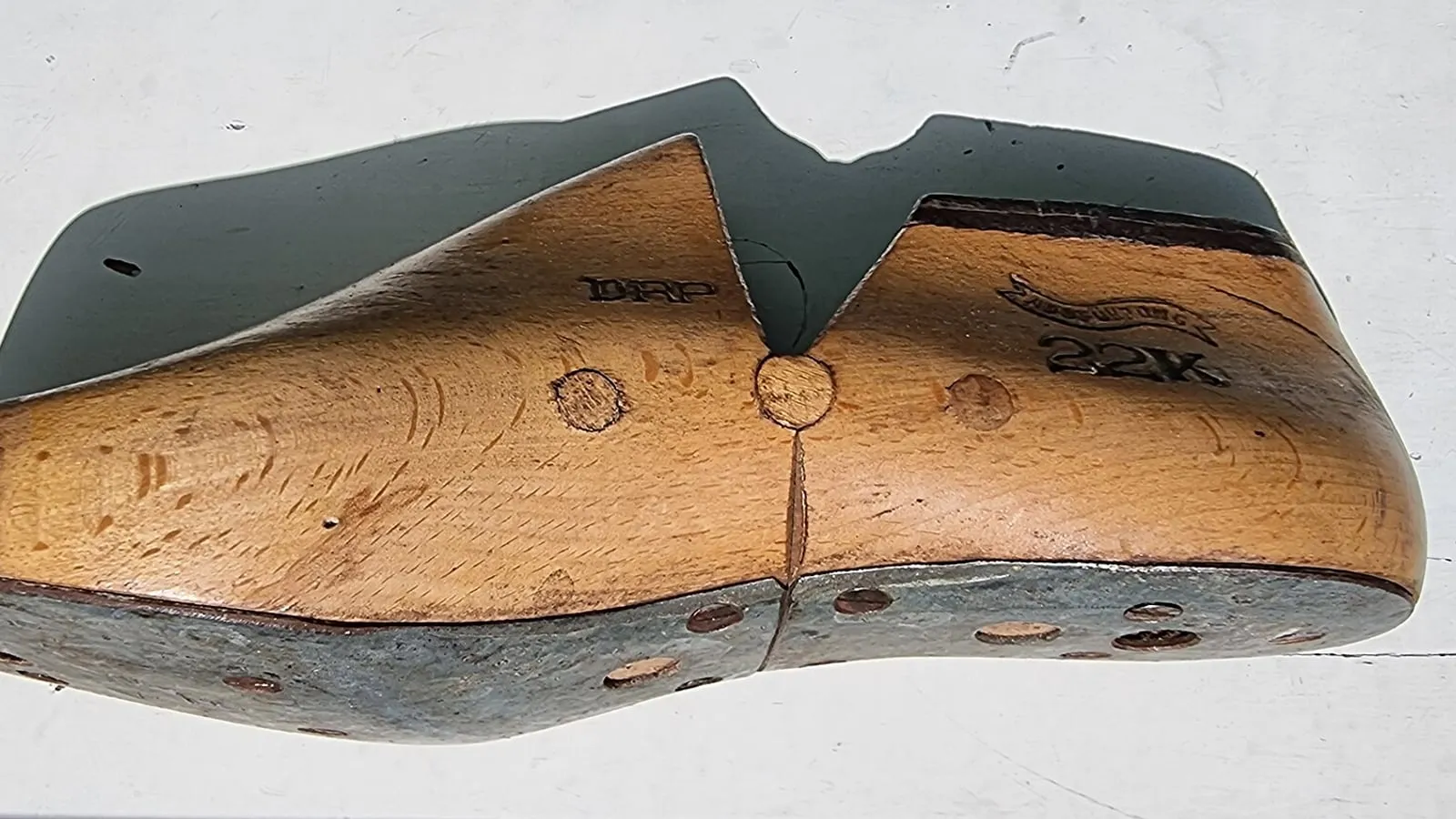
Shoemaking starts with a last: a solid form shaped like a foot, around which the shoe is built. A “UK 8” is not a length in millimetres. It is a label a brand applies to a particular last of roughly that size.
Because lasts are proprietary, the label means slightly different things in different places. Brands also define their size scale against different foot populations, and some adjust for the intended market — a Japanese domestic model and an export model of the same shoe can differ.
The main sources of drift
The population the last was drawn from. A brand that designs for its domestic market builds lasts for that market’s average foot. Export versions sometimes keep the same lasts and simply relabel them, which is why the same shoe can feel narrow in one country and correct in another.
Last shape versus last length. Two lasts can be identical in length and differ entirely in toe shape, instep height and heel width. A brand with a tapered toe can be the same length as a brand with a round toe and feel a full size smaller.
Materials. A leather shoe relaxes to fit the foot over time. A knit or synthetic shoe does not, or does so only in one direction. This means the same nominal size behaves differently depending on what the shoe is made of.
Age of the last. Brands quietly revise lasts between generations. A model that fit perfectly in 2020 may fit differently in 2026, and the size number will not have changed.
How to compare before you buy
There is no universal conversion, but there are three reliable methods.
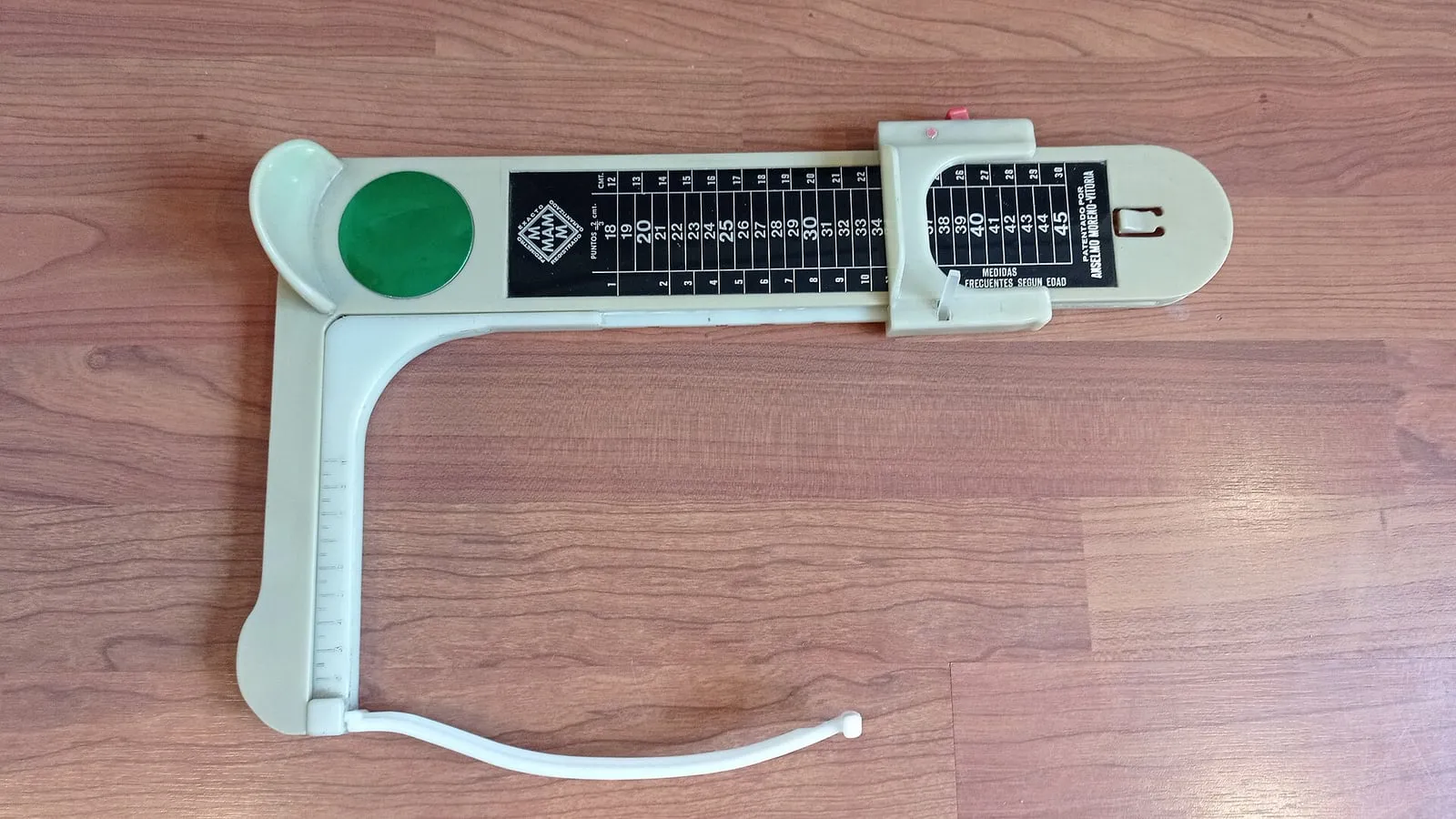
Ask for internal measurements. Many brands and retailers publish the internal length or the last dimensions. Compare that number to your measured foot length plus your desired allowance — roughly 8 to 12 mm at the toe.
Read reviews that mention fit. Look for reviewers who state their usual size and their foot width, and say whether they went up, down or stayed. A single data point is weak; five that agree is useful.
Check the returns policy before the size chart. If you are buying into an unfamiliar last, the return terms matter more than anything else. Free returns turn a sizing gamble into a free trial. Where returns are expensive, buy from a shop you can walk into, or buy one pair and settle the sizing before buying a second.
Conversion charts are approximations
The UK, US, EU and Mondopoint systems are different ways of expressing length, and they do not map cleanly onto one another. EU sizes step in two-thirds of a centimetre — about 6.67 mm — which does not divide evenly into UK half sizes of about 4.2 mm. Charts round, and brands round differently.
Treat any conversion chart as a rough guide only. If you are between two sizes and the shoe is leather, the smaller is usually right. If it is synthetic or performance footwear, take the larger.
Sizing across categories
The problem is worse in some categories than others.
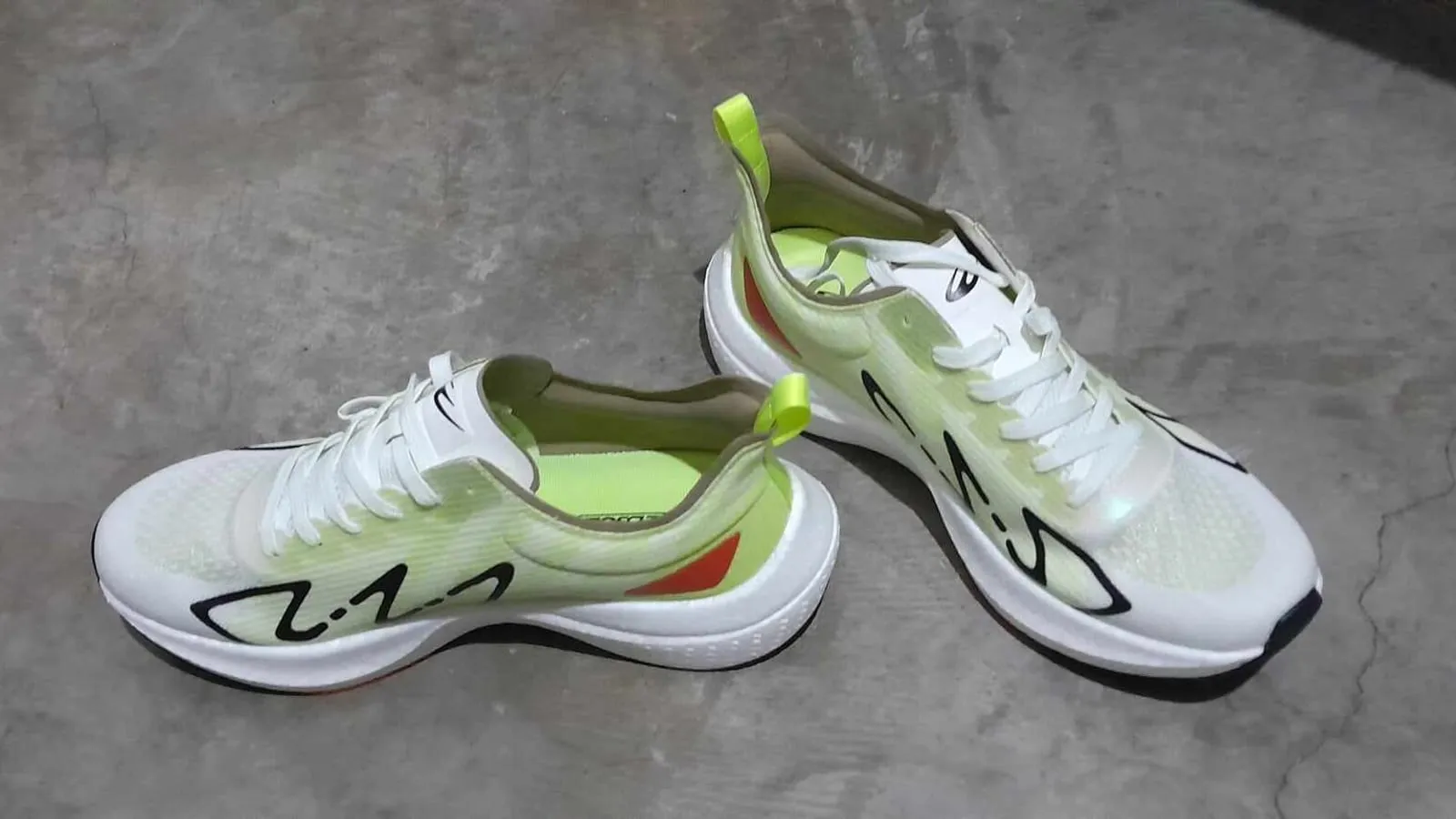
Running shoes are relatively consistent because the market is competitive and fit complaints are costly, but they still differ between models in the same brand’s range, since a stability model and a racing flat use different lasts.
Dress shoes vary most. Italian makers historically use narrower, longer lasts than British ones, and American makers wider ones. If you know your size in one tradition, expect to move roughly a half size in each direction when crossing to another.
Boots and workwear are usually cut generously and sized to accommodate thick socks, so buying your normal shoe size often results in a loose fit.
A practical method
Keep a note on your phone with your measured foot length and width, and for each brand you buy, the size that worked and the model. Within a few purchases you will have a personal conversion table worth more than any published chart, because it is grounded in your feet rather than in an average.
Start a new brand with the size you usually take, expect to be wrong once, and treat that first purchase as the cost of calibrating. After that the brand is solved.