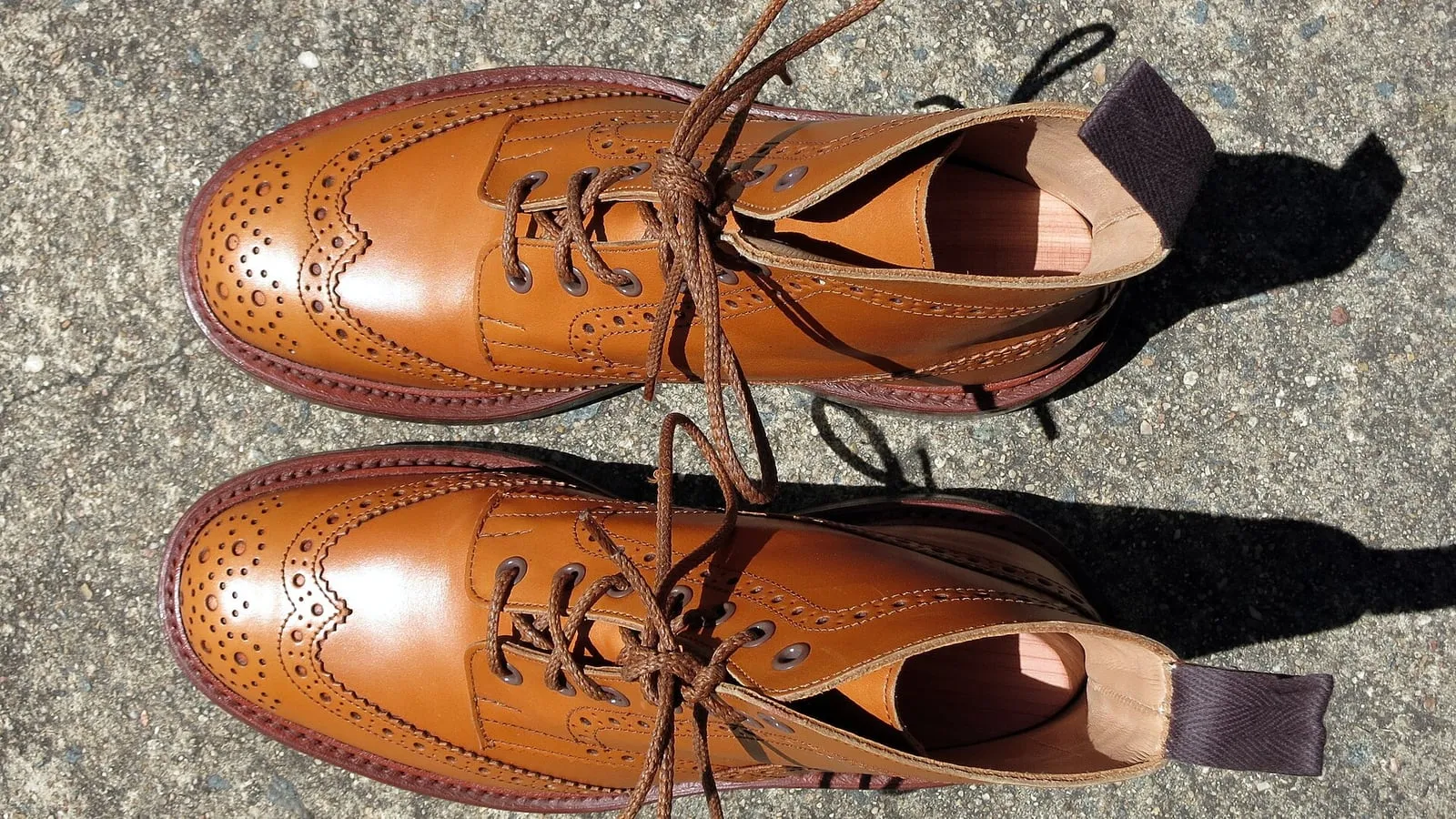
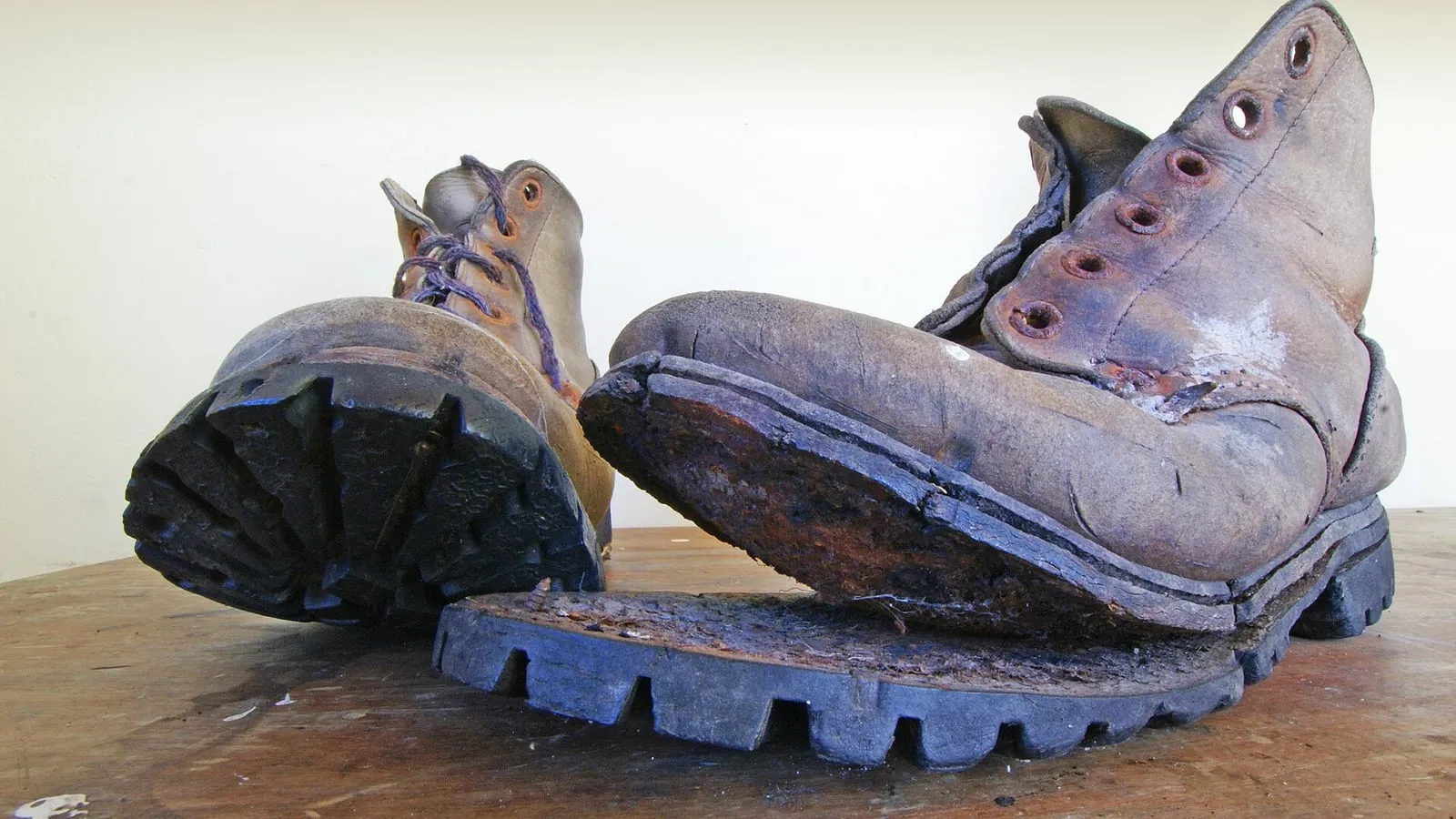
Breaking In Leather Shoes Without Ruining Them
New leather shoes are stiff for a reason. The leather has been pulled over a last under tension, and it holds the shape it was given rather than the shape of your foot. Breaking in is the process of letting the material relax where your foot presses, so that the shoe gradually takes on the form of the foot inside it.
What breaking in cannot do is change the size of the shoe. Leather softens, moulds and gives by a few millimetres where it is stressed. It does not grow longer, and it does not widen a last. This article explains how the process actually works, a routine that avoids damage, and the common tricks that destroy leather in an afternoon.
What leather actually does
Leather is a network of collagen fibres, tanned to make it stable. When it is warm and slightly damp, the fibres can slide against one another and the material becomes temporarily more pliable. When it cools and dries, the fibres set in their new position. That is the whole mechanism, and it explains everything about breaking in: heat and a little moisture let the leather move, and drying locks the change in place.
Because the change is a rearrangement of fibres rather than a stretch of the material itself, it is small. Leather conforms around the shape of your foot within the space it already has; it does not create space that was not there. A shoe that is a fraction snug across the instep can become comfortable. A shoe that is a size too small cannot be made to fit.
Suede and nubuck behave similarly but relax a little more readily, because their surface fibres have been abraded. Patent and heavily coated leathers relax least, because the finish restricts the surface.
Warmth and moisture, not force
The two useful agents are gentle warmth and a small amount of moisture, both supplied naturally by wearing the shoe. Your foot is warm and slightly damp, and a few hours of walking provides exactly the conditions the leather needs.
What is not useful is force. Stretching a shoe with a mechanical device, soaking it in water, or heating it strongly pushes the fibres past what they can tolerate. That produces either a permanent distortion or a weakened area that tears later, and it happens quickly.
A useful way to think about the process is that you are not forcing the leather to become a different size; you are helping it find the shape of your foot inside the size it already is. The areas that need to move most are the vamp over the toes, the sides of the instep and the top edge of the heel counter. Those are the places where the foot presses, and they are the places that respond to gentle, repeated wear.
A staged routine
The aim is to build up wear time slowly, so the leather has time to dry and set between outings.
- Wear the shoes indoors for short periods first, perhaps thirty to sixty minutes at a time, on carpet.
- Increase the time gradually over the first week, and only then walk on hard surfaces outdoors.
- Take the shoes off as soon as a hot spot becomes genuinely painful. Discomfort that fades is progress; pain that grows is a warning.
- Let the shoes dry naturally at room temperature between wears, with trees in place, and give them at least a day off.
- Continue over one to three weeks, depending on the leather and the shoe.
Thick leather boots can take considerably longer than a light dress shoe. There is no way to rush this without paying for it in damage.
Shoe trees and their role
A shoe tree is a shaped form, usually of wood or plastic, that you put in the shoe when you take it off. Its value during breaking in is that it holds the shoe’s shape while the leather dries, so the leather sets in a good form rather than collapsing into a crushed fold.
A tree also absorbs a little moisture and helps the shoe dry from the inside. Cedar is popular because it smells pleasant and takes up moisture well, but the shape of the tree matters more than the wood. It should fill the shoe and press gently on the vamp without forcing it.
Trees do not stretch shoes. A tree left in a shoe holds the shape it already has. To make a shoe wider requires a proper stretching device or a cobbler, and even then the gain is limited.
The things that ruin leather
These shortcuts appear in advice columns and are worth avoiding entirely.
- Soaking the shoes in water. Water swells the fibres and weakens the bond between the leather and the sole. A soaked shoe dries stiff and misshapen, and stitched shoes can lose their shape permanently.
- Heating with a hairdryer or putting shoes near a radiator. Strong heat dries leather too fast, cracks the finish and shrinks the material. Warmth should come from the foot, not an appliance.
- Forcing the shoe with a stretcher beyond a small adjustment. Leather can be eased a little, but over-stretching thins the material and creates a weak spot that tears.
- Soaking the leather in oil or conditioner. A little conditioner maintains leather; saturating it softens the structure and leaves the shoe floppy and greasy.
- Wearing them for a full day straight away. The leather does not have time to dry and set, and the shoe will crease badly and rub.
Boots and heavy leather
Boots made from thick, oiled leather are often the most uncomfortable at first and the most rewarding after. The same rules apply, but the timescale is longer and the leather benefits from being kept supple.
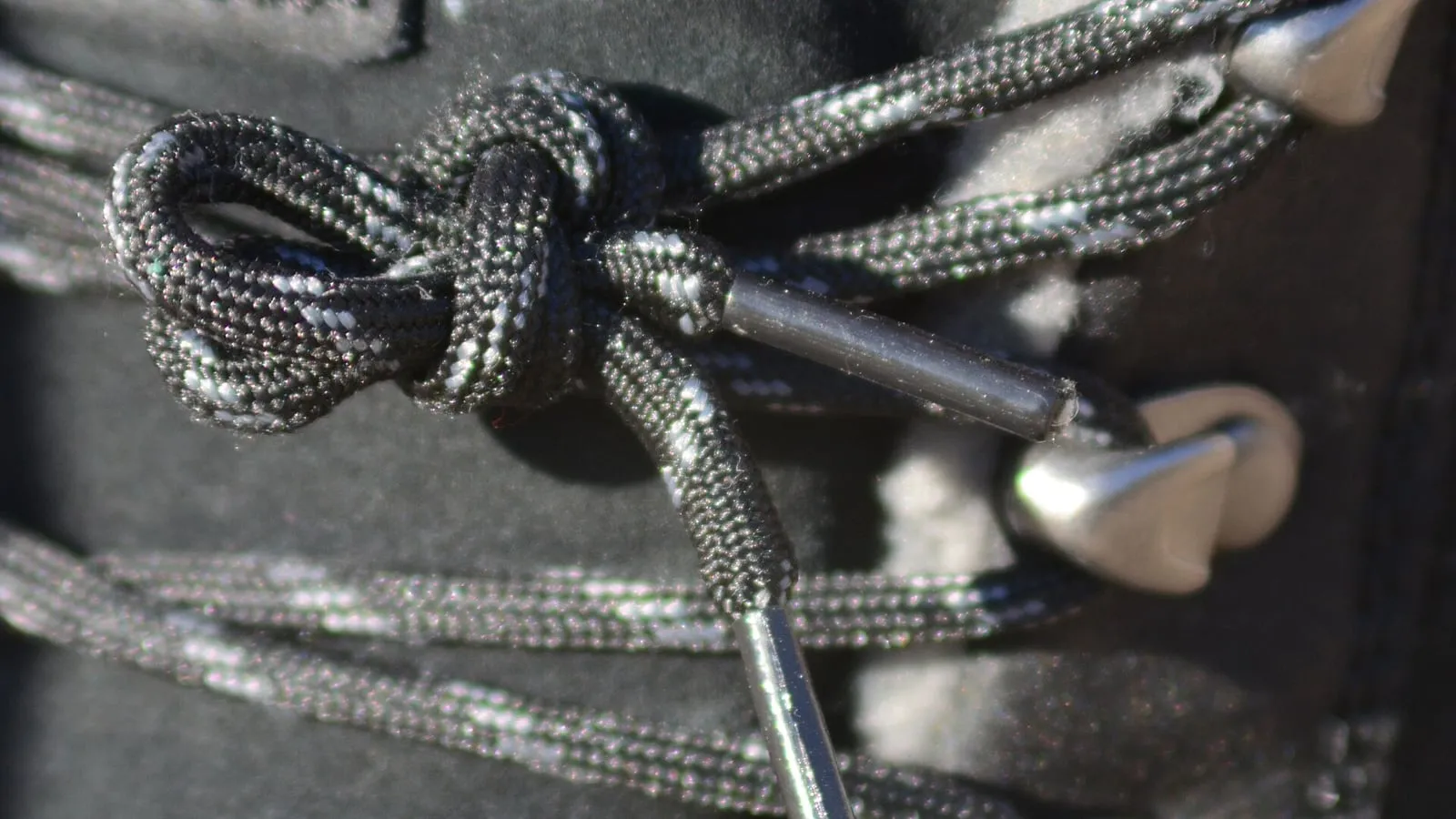
Wear them for short periods, lace them properly rather than loosely, and keep them clean and lightly conditioned. If a specific spot presses, such as the top of the instep or the edge of the heel counter, a cobbler can ease it or a thin patch can be added, which is often faster than waiting for the leather to give.
How long, and when to stop
A dress shoe in good leather usually settles within one to two weeks of regular but short wear. A thick boot can take a month or more. The measure of progress is simple: the shoe should become more comfortable each time, not less.
If, after a few weeks of sensible wear, a shoe still presses in the same place, the problem is the fit or the shape of the last, not the stiffness of the leather. Breaking in cannot fix a shoe that is the wrong size or the wrong shape. At that point, the honest options are to have it professionally adjusted if the material allows, or to accept that this pair is not for you, and stop wearing it before it damages your feet.