Waterproofing Shoes by Material: Wax, Spray or Neither
Waterproofing isn’t one product in a spray can.
Smooth leather wants conditioning and wax. Suede wants a light protector that won’t crush the nap. Fabric sneakers want a spray that keeps the mesh breathing. Use the wrong one and you can darken the color, clog the pores or get peeling. Here’s what goes on what, and what no product can do.
What “waterproof” can realistically mean
Footwear sits on a spectrum:
- Water-resistant: sheds light rain for a while; seams and tongue still let water in eventually.
- Waterproof membrane: a liner (often branded) that blocks liquid water while letting some vapor out, usually with sealed seams.
- Surface-treated: wax, cream or spray on the upper that slows soak-in.
No spray turns a fashion sneaker into a hiking boot. Seams, lace holes and sock liners still let water through. Think of waterproofing as delay plus protection for the upper.
Smooth leather
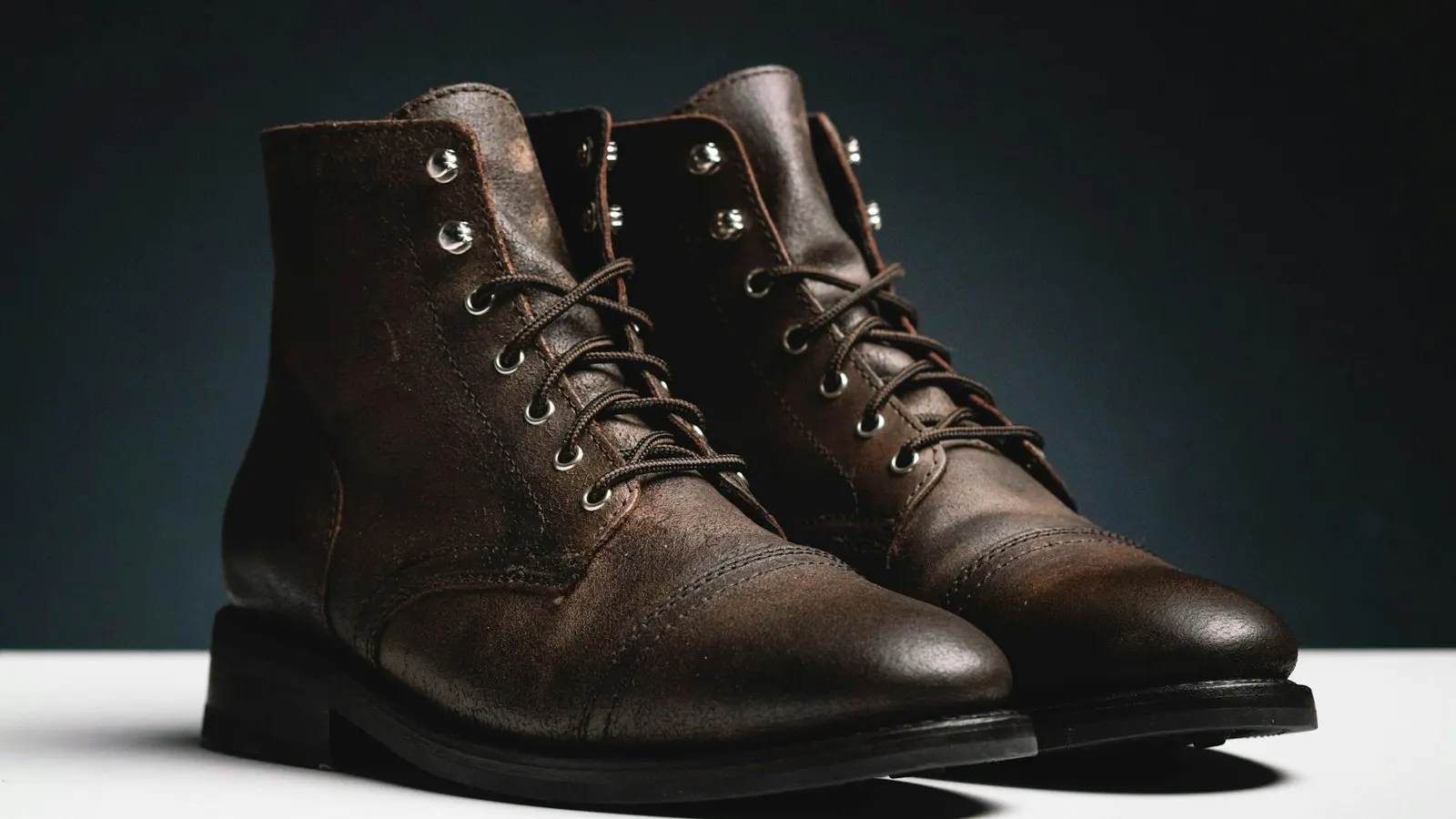
Polished and smooth leather responds well to conditioner plus a wax or cream barrier.
- Clean off dirt with a damp cloth or mild leather cleaner; let it dry at room temperature.
- If the upper feels dry, apply a thin conditioner and wipe off the excess.
- Work in a wax or cream made for smooth leather with a soft cloth, following the grain.
- Buff once it hazes. Reapply before the rainy season, not after every shower.
Wax darkens many leathers slightly, so test under the tongue or inside the shaft. Skip oil-heavy products that over-soften the structure. If the boots have a factory membrane, still look after the outer leather; the membrane doesn’t moisturize the hide.
Suede and nubuck
These are napped finishes. Heavy wax mats the texture and can leave shiny blotches.
Use a dedicated suede/nubuck protector in light passes, a suede or crepe brush to lift the nap once dry, and a color-matched suede eraser on stains before you waterproof. Keep smooth-leather cream off the nap, and avoid drenching sprays that leave the surface wet and dark for hours without brushing.
Spray outdoors or by an open window, at the distance the label gives. Let it dry fully before wearing. Reapply after cleaning or when water stops beading.
Fabric, mesh, canvas
Textile uppers soak up water quickly and dry slowly if the lining stays wet.
A light protector spray helps rain bead on mesh and canvas. It won’t make the shoe puddle-proof. Clean grit out of the mesh first; dirt holds moisture against the fibers. Pull the insoles after a wet day so the inside dries overnight.
Machine washing can strip treatments and warp glue. Spot-clean when you can. If you must wash, use a gentle cycle in a bag, air-dry away from radiators, and reapply protector afterward.
Synthetics and coated leather
Polyurethane and other synthetics usually need less conditioner and gentler cleaning, and some coatings already shed water. A light spray helps fabric panels on hybrid shoes; skip heavy wax on shiny coated leather unless the maker says it’s safe.
If the upper is mostly rubber or heavily coated, treat the seam edges and fabric collars instead of the whole shoe.
Membrane boots and shoes
For pairs sold with a waterproof membrane:
- Keep mud out of mesh vents and zipper garages so water isn’t held against the liner.
- Dry the inside thoroughly; a wet liner feels like a failed membrane even when it’s intact.
- Don’t puncture the liner with aggressive trees or sharp inserts.
- Follow the brand’s guidance on washes and sprays; some treatments harm membranes or the DWR on shell fabrics.
For combination fabric-and-leather boots, a membrane-friendly product such as Nikwax Fabric & Leather Proof is designed for the job: it goes onto clean, wet footwear by spray or sponge, is PFAS-free, and is about $12.55 at nikwax.com as of Oct 2026. Nikwax notes it can darken light leather, so test it somewhere hidden.
Membranes fail from abrasion, dirt and age, not only from skipped spraying.
Drying wet shoes without damage
| Do | Don’t |
|---|---|
| Remove insoles and loosen laces | Put shoes on a radiator or in a hot dryer |
| Stuff with dry newspaper or plain paper, change once | Blast the upper with a hot hair dryer |
| Air-dry at room temperature with airflow | Store wet pairs in a closed plastic box |
| Use a boot dryer on low/ambient if you own one | Leave soaked socks inside overnight |
Heat cooks adhesives and shrinks leather. Patience protects the pair better than speed.
A seasonal schedule
- Start of wet season: clean, condition leather if needed, apply the right protector, check seams and soles.
- After muddy outings: dry fully, brush off dirt, spot-clean, re-spray high-wear zones if water no longer beads.
- Midseason: look for cracked leather, bald suede patches and soles coming away. Repair beats another emergency spray.
FAQ
Will waterproofing stop salt stains?
It helps water and slush bead so less salty solution soaks in, but you still need to clean salt marks promptly with the right method for the material. Protector doesn’t replace winter cleaning.
Can I waterproof shoes that already got soaked?
Yes, once they’re completely dry and clean. Sealing moisture under wax or spray causes odor and finish problems. (Membrane-boot products like the Nikwax one above are the exception: their instructions call for applying to wet footwear.)
How often should I reapply?
When water stops beading on a clean upper, or after a deep clean. Daily commuter shoes in a rainy city might need it every few weeks; occasional-wear pairs, once or twice a season.
Is dubbin the same as modern waterproofing?
Dubbin is a traditional grease for work leather. It heavily softens and darkens, and it’s a poor match for fashion suede, sneakers and many membrane boots. Keep it for the rugged leather it was made for.
Match the method to the upper
Start clean. Wax on smooth leather, spray on nap and fabric, gentle handling for membrane pairs. You’re aiming for fewer soaked socks and a longer-lived upper. Nothing stops every puddle.
Related reading: Cleaning and Conditioning Shoes by Material and The 10-Minute Daily Sneaker Care Routine.